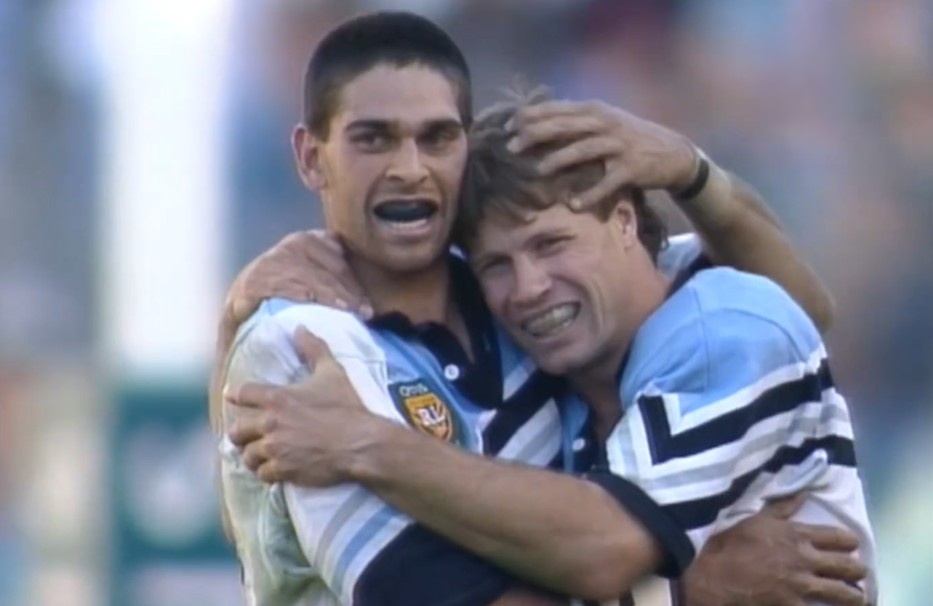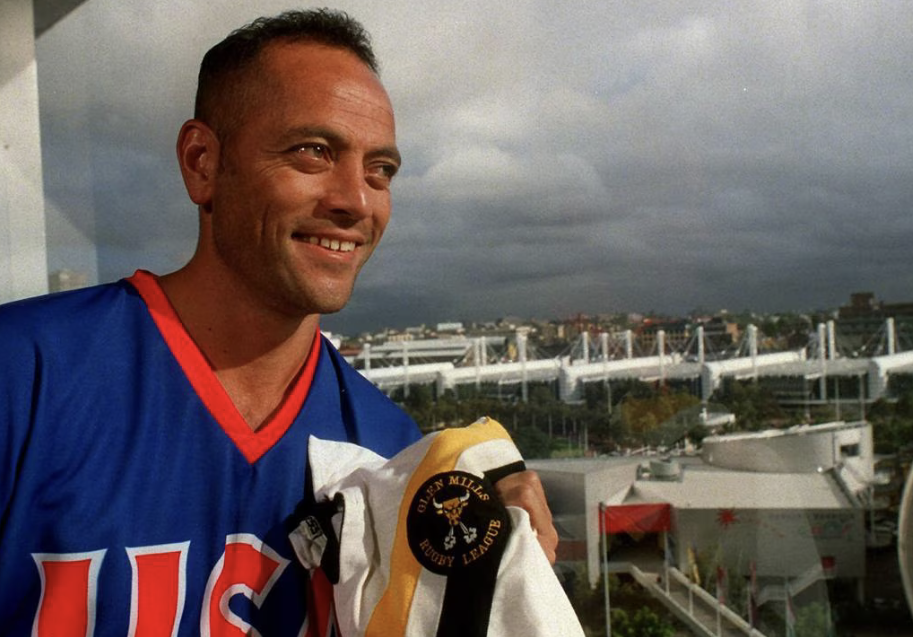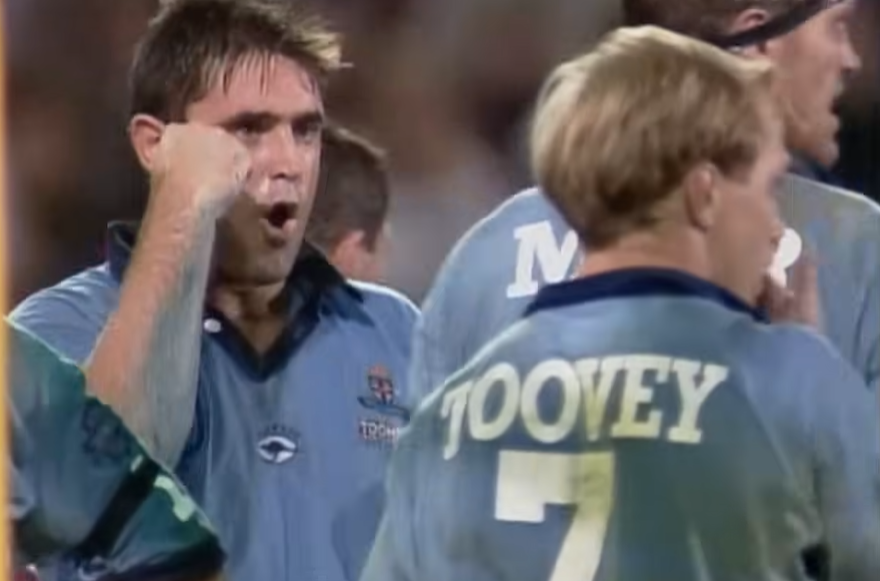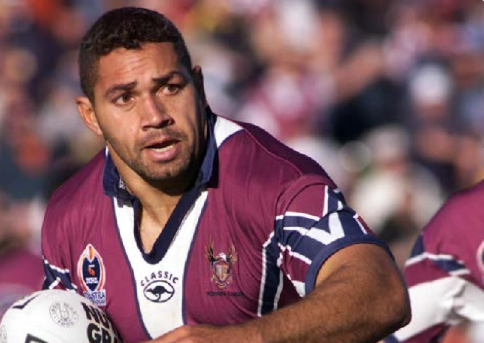

From the brink of extinction and multiple ownership, name and leadership personnel changes in the space of a few months, Gold Coast somehow survived to produce a spirited 1996 campaign and – for the first time in the club’s tumultuous history – become a genuinely competitive outfit during the 1997 ARL premiership.
The Chargers claimed several notable scalps on their way to a historic finals appearance in 1997. But no performances exemplified their coming-of-age under popular coach Phil Economidis more than their home-and-away heroics against defending premier Manly.
Gold Coast’s only prior win over Manly was during the latter’s disastrous 1989 season, while each previous visit to Brookvale Oval had routinely entailed a comprehensive beating.
But the Chargers left the ground with a competition point for the first time courtesy of an extraordinary 26-all draw in dismal weather midway through ’97, coming agonisingly close to rolling a Sea Eagles side containing 11 internationals and a former All Black.
Tries to veteran centre and captain Graham Mackay, soon-to-be Queensland Origin bolter Jeremy Schloss and prop Des Clark gave the Chargers a 20-10 lead just after halftime. When interchange Jason Nicol brilliantly latched onto a Wes Patten grubber to score with four minutes left, the Chargers looked home at 26-18.
But gun Manly centre Craig Innes set up a try for Craig Hancock then finished off a madcap 10-pass movement to level the scores on the bell. The sideline conversion attempt from Craig Field (who finished the day with one from six) hooked left, consigning the thriller to a stalemate.
“We’re trying to overcome the tag of being a club which is just around to make up the numbers,” rookie Chargers winger Matt Dwyer said.
“We’re really disappointed we couldn’t hang on against Manly. But at least we made a bit of a statement.”
Only 2,506 fans braved the wet conditions on the northern beaches – the lowest crowd for a premiership match since 1990 – but the turnstiles were whirring for the teams’ return clash three months later.
Chargers fever gripped the Gold Coast as 15,872 packed into Carrara Oval, the second-biggest home crowd in the club’s existence – and they marked the occasion with one of their all-time great victories.
The ladder-leading Sea Eagles were slow out of the blocks and barely fired a shot after a 24th-minute try to Steve Menzies closed an early deficit to 8-6. Chargers fullback Andrew King (who, along with Mackay, would join Manly in 1999 after Gold Coast folded) scored just before halftime, before tries to Papua New Guinea five-eighth Thomas O’Reilly and swan-diving second-rower Scott Sattler put the hosts out of reach. John Hopoate’s late four-pointer mattered little as the Chargers celebrated a 25-10 triumph.
“There was nothing special about what we did, no genius match plan or no superhuman effort,” Economidis mused post-match.
“We have always believed in ourselves, but obviously we don’t have the gamebreakers of a side like Manly. To beat them we had to play to our best.”
The late-season upset was crucial to the Chargers qualifying for the last spot in the ARL’s seven-team finals series, where they defeated Illawarra on post-season debut before going down to Sydney City.
A casualty of the game’s rationalisation under the NRL banner, the club closed its doors just a year later.
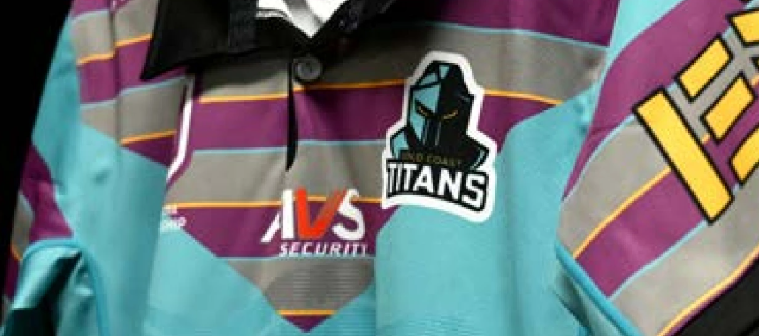
Economidis, named the ARL’s Coach of the Year in 1997, was a guest of honour at the recent Magic Round as the Titans paid homage to the Chargers by donning their iconic teal heritage strip.